An ileostomy can be permanent or temporary. In this article, we will discuss different types of ileostomies.
Temporary ileostomy
In certain cases, your surgeon may find it more appropriate to give a part of your bowel some rest. That part of the bowel needs to remain empty for a few weeks or months. The surgeon creates an ileostomy to keep the stool away from that diseased part of the bowel. Once the bowel heals, you will have to undergo another surgical procedure to get your stoma reversed. A temporary ileostomy may also be the first step in forming a j-pouch.
Permanent ileostomy
A long-term ileostomy may become inevitable when a part of the bowel becomes severely diseased. The surgeon then removes the diseased part of the bowel and sometimes the rectum. The ileostomy created as a result of such a treatment has to become a permanent feature of the patient for life.
You can get one of three types of ileostomies, depending on your underlying condition and preferences. Your ostomy care nurse will help you make the best decision. Factors contributing to determining the type of ileostomy you get include your general health, age, and preferences.
Standard ileostomy
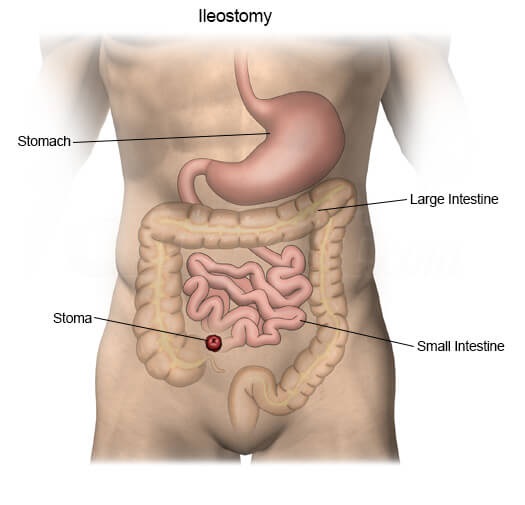
It is the most common type of ileostomy. To create it, the surgeon brings a part of the small intestine out through a cut in the belly. The edge of the bowel is then turned back and sutured with the abdominal skin. It creates a smooth, rounded stoma.
The stoma is usually made on the right side of the belly on a smooth skin surface. After you have got an ileostomy, you will not be able to control your stomal output. That necessitates you to wear an ostomy bag over the stoma the entire time.
Continent ileostomy
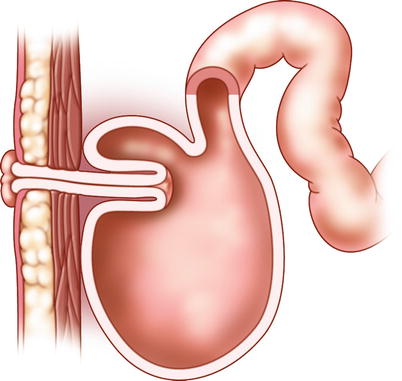
A continent ileostomy rids you of the need to wear an ostomy bag. The surgeon creates it by looping a part of the ileum into itself to make a reservoir or a pocket inside the belly. This reservoir connects to the outside of the body through a valve that opens on the abdominal wall. This reservoir doesn’t expel wastes. You have to insert a thin, flexible plastic tube called a catheter into it through the opening in the abdomen. That tube draws wastes out of the reservoir.
Ileo-anal reservoir
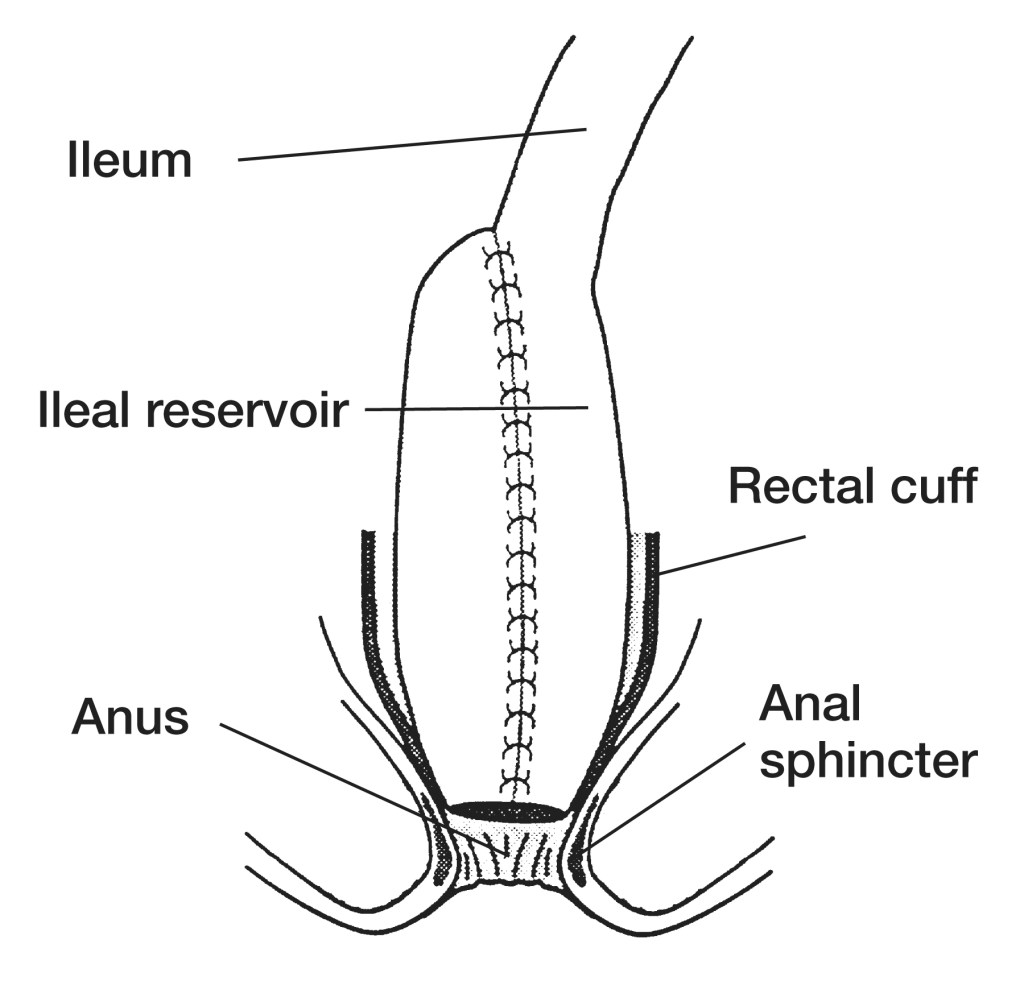
The ileoanal reservoir, or j-pouch, is a small reservoir made of the ileum. The surgeon connects this reservoir to the anal canal, allowing the patient to move bowels in a seemingly natural way. This bowel diversion allows a patient to have some control over bowel movements. The functioning sphincters of the anus prevent stools from leaking.
The stool passing out of a j-pouch is mostly watery, albeit it also depends on what you eat and drink. You can help thicken the stool with medications and changing your dietary routine.
Choosing an ileostomy pouching system
You will need an ileostomy pouch if you have a standard ileostomy. Now, deciding which ostomy pouch is more suitable for you depends entirely on your needs and preferences. If you are not sure what to choose, you may speak to your ostomy care nurse. You can also discuss other accessories and products helpful in your ostomy care regimen.
 Ostomy Log