What Are The Types Of Ostomy
An ostomy is an artificial opening in the abdomen to allow body pastes to pass out, bypassing a diseased part of the excretory tract. This internal diversion either passes out stools or urine. An underlying condition of the bowel may necessitate a patient to have an ileostomy or colostomy, while an illness of the urinary tract can result in a urostomy.
In this article, we will briefly discuss these three types of ostomy.
Colostomy
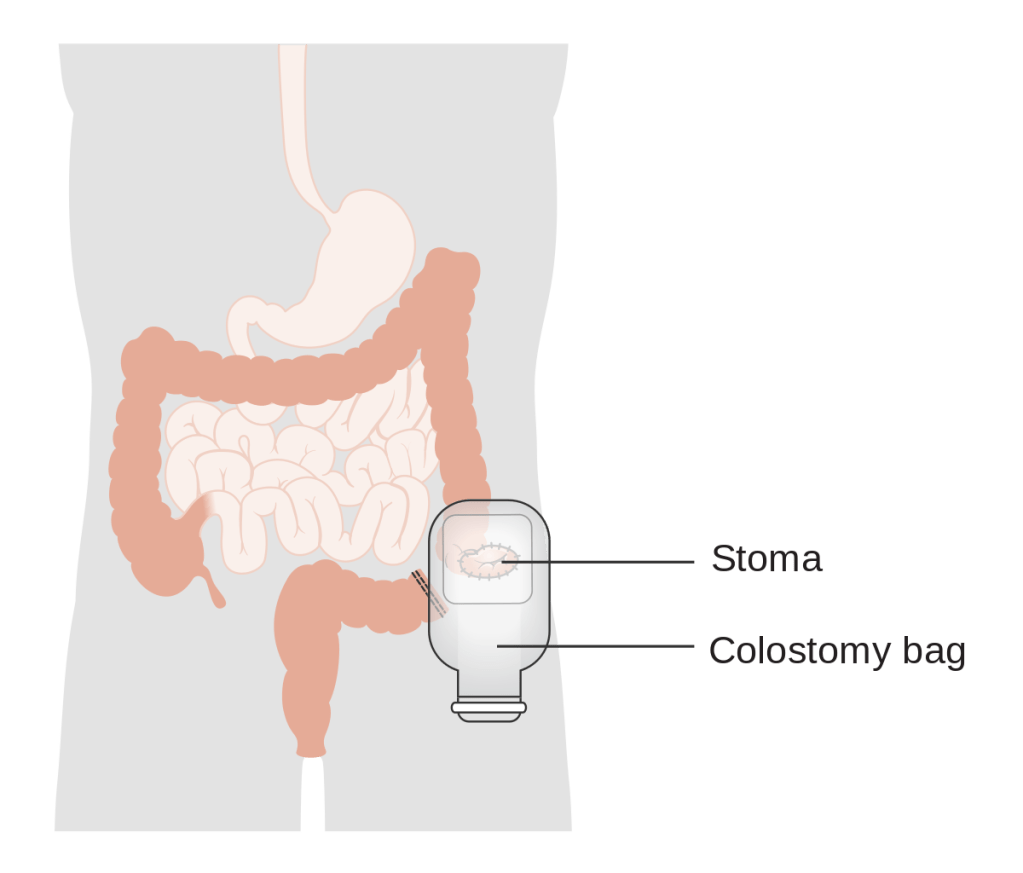
A colostomy is the type of ostomy aimed at treating an infection in the colon. The surgical procedure to create a colostomy involves the surgeon pulling an end of the large bowel out through a cut in the belly. This way, the patient retains a segment of the working colon. The diseased section of the colon is either removed or rested.
Common reasons a person may need a colostomy may include cancer in the colon or rectum.
Ileostomy
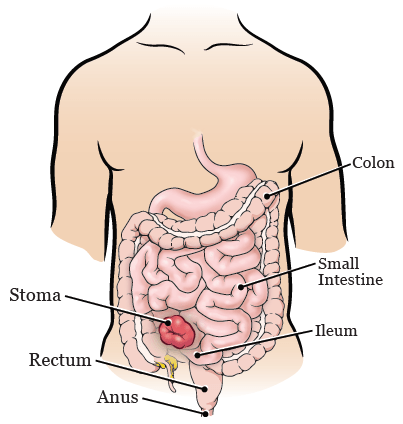
The surgical procedure resulting in the diversion of the end of the small intestine away from the colon is known as an ileostomy. The stoma created on the abdomen is the part of the small intestine. The surgical procedure involves bypassing or removal of the colon and rectum.
The most common conditions that necessitate a person requiring an ileostomy include the following:
- Crohn’s disease
- Ulcerative colitis
- Colon or colorectal cancer
- Polyps in the rectum or colon
- Other conditions or injuries hampering the function of the lower part of the GI tract
Urostomy
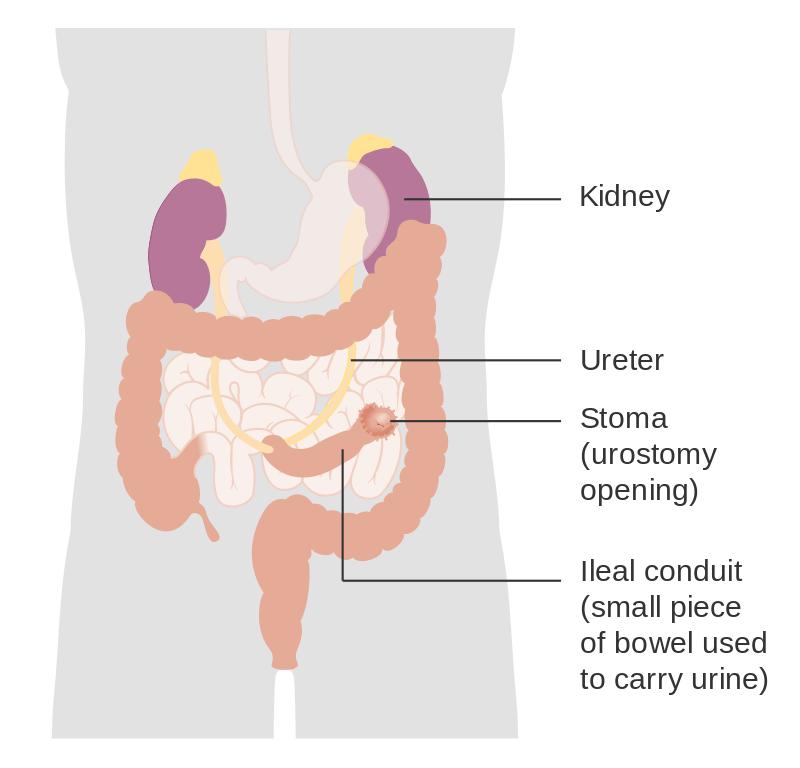
A urinary diversion becomes inevitable when the bladder becomes unable to store and remove urine. The procedure involved in this regard is known as a urostomy. During this procedure, the surgeon removes a small piece of the ileum to use as a conduit. He attaches ureters to one end of this conduit and passes the other end through a cut in the belly to create a stoma. Although an ileal conduit functions as a bladder, it doesn’t store urine, meaning that the urine will pass out the moment it enters into the conduit from ureters.
Conditions that may necessitate you to undergo this procedure include:
- Bladder cancer
- Congenital abnormality
- Other conditions or injuries
Temporary ostomy
Most intestinal ostomies tend to be temporary. In most cases, a surgeon will give you an ostomy to reverse it back after a few months. The purpose is to treat the underlying condition and allow the bowel to recover from illness. Once this condition is treated, the surgeon will reverse the stoma, allowing you to go to the toilet like everyone else.
Ostomy care
While having an ostomy, you have to make sure to take care of it the entire time. The good thing is that your ostomy bag allows you to remain comfortable even when your stoma is active. The bag collects stool or urine. You have to empty it when it is one-third to half full. So it gives you a fair bit of time between every two pouch drains or changes. You will, however, need to take care of your stoma and the skin around it. For more information, you can discuss it with your doctor or ostomy care nurse.
 Ostomy Log